
Get Fire Mitigation in Denver, CO
Fire mitigation services for Denver property owners include wildfire risk reduction, defensible space creation, fire-resistant landscaping, and installation of fire barriers by local experts.
Fire mitigation services are essential for property owners seeking to enhance safety and protect their investments in Denver, CO. These services often include the removal of combustible materials, the installation of fire-resistant barriers, and the creation of defensible spaces around structures, all designed to reduce the risk of fire spreading. Implementing these measures can lead to increased peace of mind by minimizing potential fire damage, maintaining the functionality of the property, and ensuring that homes and businesses remain durable through changing conditions.
In addition to safety, fire mitigation can improve the overall appearance and curb appeal of a property. Properly managed landscapes and strategic fire-resistant landscaping choices can make properties more attractive while providing long-term benefits such as reduced maintenance needs and enhanced durability. Property owners often look for solutions that not only protect their structures but also contribute to a more comfortable and visually appealing environment, making fire mitigation a practical investment in the longevity and value of their property.
- Fire sprinkler system installation may be needed for commercial buildings in areas prone to wildfires near Denver, CO. Fire alarm system upgrades can be essential for properties requiring compliance with local safety regulations. Fireproofing services are often sought for historic structures or high-risk facilities in urban centers like Colorado Springs. Emergency fire escape planning might be necessary for multi-story residential or office buildings in nearby suburbs. Fire mitigation assessments can help property owners identify vulnerabilities in areas susceptible to wildfire or urban fire hazards.
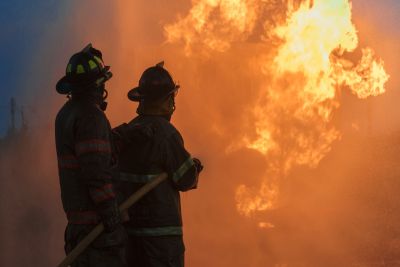
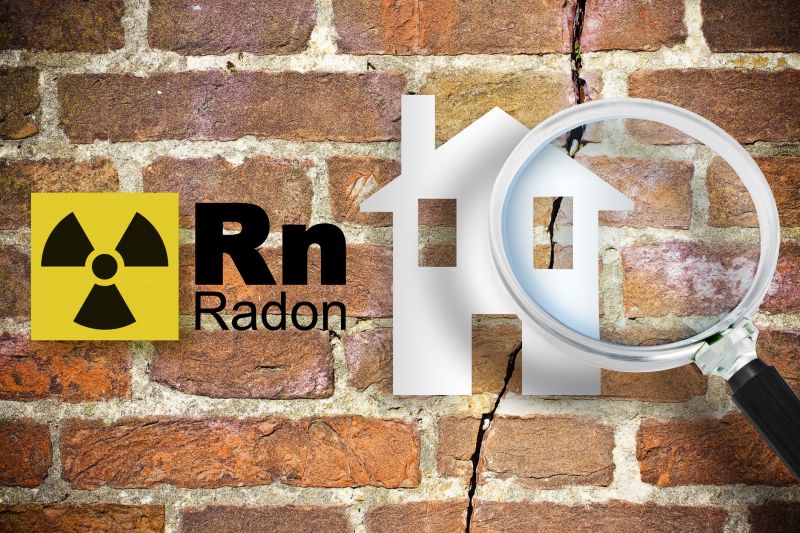
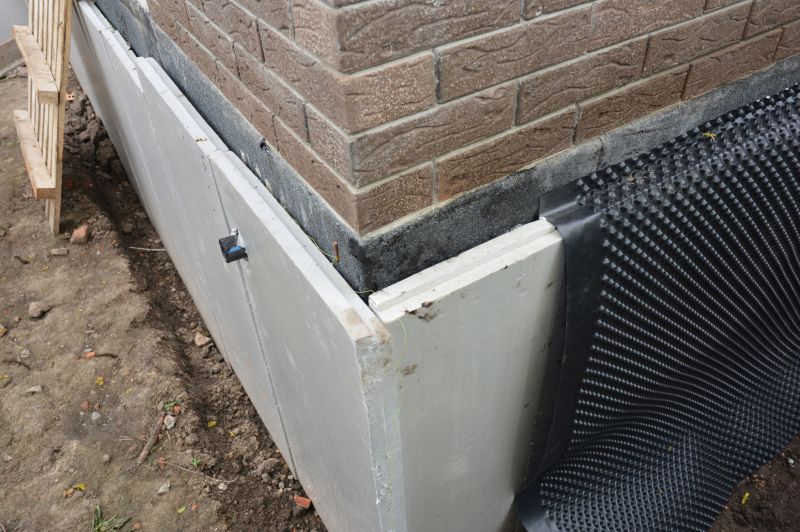
Fire mitigation services focus on reducing the risk of fire hazards within a property by implementing targeted strategies and preventative measures. These services often include assessing the property for fire risks, creating defensible space, and installing fire-resistant barriers or materials. The goal is to minimize combustible materials and improve the property's ability to withstand potential fires, especially in areas prone to wildfires or with dense vegetation nearby. By addressing vulnerabilities early, fire mitigation aims to protect both the property and its occupants from the devastating impacts of uncontrolled fires.
These services are designed to solve common problems associated with fire hazards, such as accumulation of dry brush, overgrown vegetation, and structural vulnerabilities that can fuel a fire. They help prevent the rapid spread of flames by reducing available fuel sources around the property. Fire mitigation can also involve creating clear access routes for emergency responders and installing fire-resistant landscaping or barriers. Such measures are particularly important in regions with high fire risk, where proactive steps can significantly reduce potential damage and improve safety.
Properties that typically utilize fire mitigation services include residential homes, especially those located in wildfire-prone areas or with large yards and wooded surroundings. Commercial properties, such as warehouses, retail centers, or industrial facilities, may also require fire mitigation to meet safety standards and protect assets. Additionally, public facilities like schools, parks, and government buildings often seek these services to ensure the safety of visitors and staff. The common goal across these property types is to implement strategies that effectively reduce fire risk and support emergency preparedness.
Engaging with local fire mitigation service providers can help property owners develop customized plans suited to their specific needs and local conditions. These professionals assess the property’s vulnerabilities, recommend appropriate measures, and assist with the installation of fire-resistant features. By taking proactive steps, property owners can better prepare for fire threats, potentially reducing damage and enhancing safety. Contacting experienced service providers ensures that mitigation efforts are tailored to the property’s unique environment and risk factors.
The overview below groups typical Fire Mitigation projects into broad ranges so you can see how smaller, mid-sized, and larger jobs often compare in Denver, CO.
In many markets, a large share of routine jobs stays in the lower and middle ranges, while only a smaller percentage of projects moves into the highest bands when the work is more complex or site conditions are harder than average.
Fire Mitigation Assessments - The cost for a comprehensive assessment typically ranges from $300 to $800, depending on property size and complexity. Larger or more complex properties may incur higher fees. These evaluations help identify vulnerabilities and recommend mitigation strategies.
Defensible Space Landscaping - Creating defensible space can cost between $1,000 and $5,000, with expenses varying based on the extent of vegetation removal and landscaping. Basic clearing of brush and trees near structures is on the lower end, while extensive landscaping projects cost more. Local pros can tailor services to property needs.
Fire-Resistant Material Installation - Installing fire-resistant siding, roofing, or other materials generally ranges from $5,000 to $20,000, depending on the size of the property and material choices. Higher-end materials and larger homes tend to increase costs. Contractors provide estimates based on specific project requirements.
Emergency Access Improvements - Upgrading driveways and access routes can cost approximately $2,000 to $10,000, influenced by driveway length and surface type. These improvements facilitate firefighting efforts and property safety. Local service providers can assess and recommend suitable modifications.
Actual totals will depend on details like access to the work area, the scope of the project, and the materials selected, so use these as general starting points rather than exact figures.
Fire Prevention Assessments - Local fire mitigation specialists evaluate properties to identify potential fire hazards and recommend preventative measures to reduce risk.
Vegetation Management - Service providers assist with clearing brush, trimming trees, and creating defensible zones around structures to minimize fire spread.
Fire-Resistant Landscaping - Professionals advise on planting and landscape design techniques that help slow or prevent the spread of fire to buildings.
Emergency Access Planning - Fire mitigation experts develop strategies to ensure clear and accessible routes for emergency responders during a fire event.
Fire Barrier Installation - Local contractors can install fire-resistant barriers and shields to protect structures from approaching flames.
Fire Detection and Suppression Solutions - Service providers install and maintain fire detection systems and suppression equipment to enhance property safety.
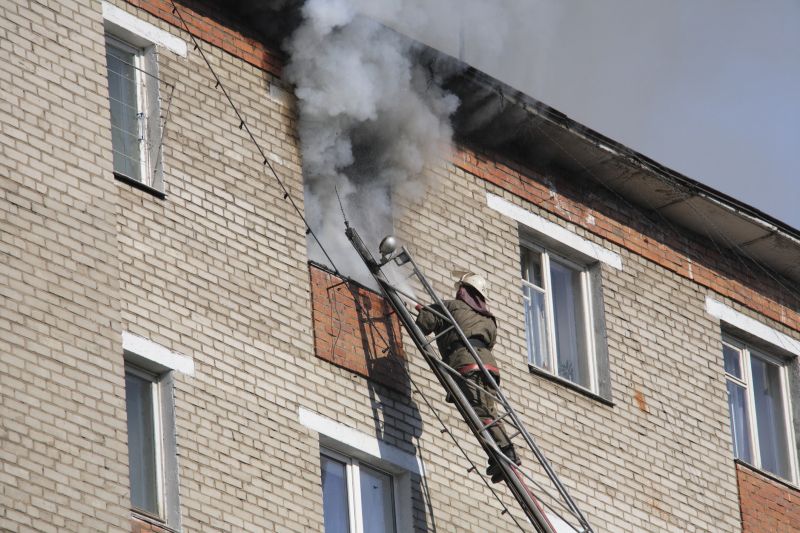
When evaluating fire mitigation service providers, it’s important to consider their level of experience in managing properties similar to yours. Homeowners should look for local professionals who have a proven track record in fire prevention measures, such as defensible space creation, brush clearance, and wildfire risk reduction. Clarifying written expectations from the outset can help ensure that both parties are aligned on the scope of work, deliverables, and any necessary follow-up actions, reducing potential misunderstandings down the line.
Reputable references serve as valuable indicators of a contractor’s reliability and quality of work. Homeowners are encouraged to seek out local pros with positive feedback from previous clients, especially those who have completed projects in the same area or with similar property types. This can provide insight into the contractor’s consistency, professionalism, and ability to meet project needs effectively. Verifying references and past work helps establish confidence in the selected service provider’s reputation within the community.
Effective communication is key when coordinating fire mitigation services. Homeowners should prioritize professionals who are clear and responsive in their interactions, providing detailed explanations of recommended services and addressing any questions promptly. Open lines of communication facilitate a smoother project process, ensuring that expectations are managed and that the homeowner remains informed throughout the engagement. It’s important to remember that this resource introduces local options and is not a contractor, so contacting multiple providers directly will help identify the best fit for specific fire mitigation needs.
Property owners in Denver, CO use Fire Mitigation services for practical projects around their homes and businesses. The sections below highlight everyday jobs and straightforward project options.
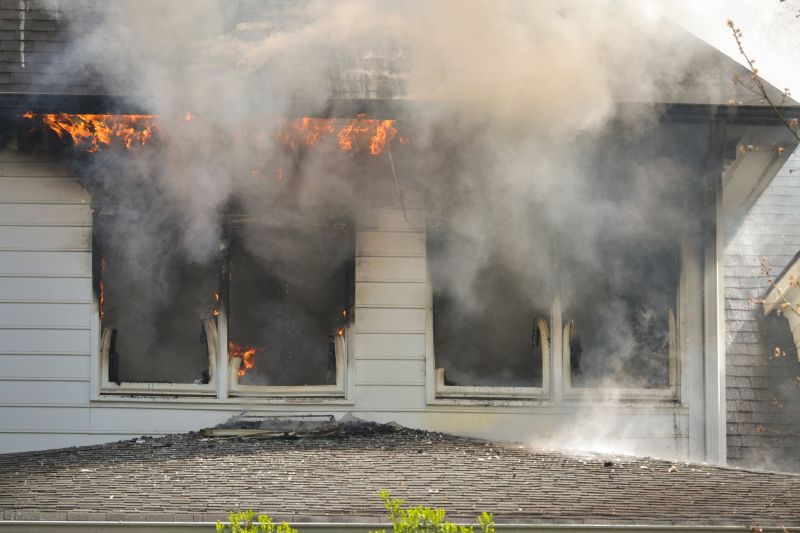
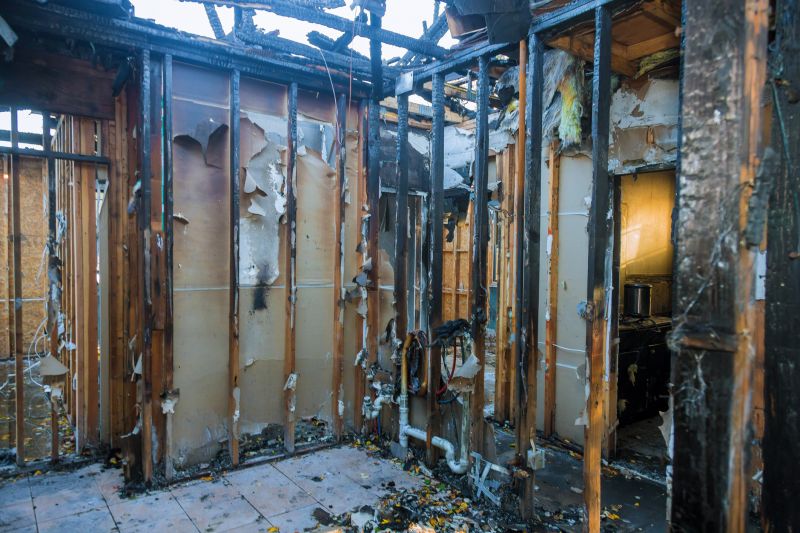
Fire mitigation services are often sought by property owners in Denver, CO to reduce the risk of fire hazards and protect their homes and businesses. Common situations include clearing overgrown vegetation, removing dead trees or branches near structures, and creating defensible zones around properties. These efforts can help minimize the chances of wildfires spreading to residential areas, especially during dry seasons when fire risk is heightened.
Additionally, property owners may look for fire mitigation work after experiencing or being concerned about electrical issues, accumulated debris, or outdated fire safety features. Regular maintenance and proactive measures by local professionals can address potential ignition sources and ensure that properties meet safety standards, providing peace of mind and safeguarding assets in the Denver area.
What is fire mitigation? Fire mitigation involves measures taken to reduce the risk and impact of fires on properties, often including defensible space creation and fire-resistant landscaping.
Why should I consider fire mitigation services? Fire mitigation can help decrease the likelihood of property damage and improve safety by reducing fire hazards around your home or business.
What types of fire mitigation services are available? Services may include brush clearance, creating defensible zones, fire-resistant landscaping, and removal of combustible materials near structures.
How do I find local fire mitigation professionals? You can contact local service providers specializing in fire mitigation to assess your property and recommend appropriate measures.
Is fire mitigation a one-time or ongoing process? Fire mitigation often involves initial work followed by periodic maintenance to ensure continued safety and effectiveness.
Vegetation Management - Local arborists and landscapers can assess and reduce fire hazards by managing trees and brush around properties.
Fire-Resistant Landscaping - Professionals can recommend and install landscaping features that help create defensible space and reduce fire spread.
Emergency Access Planning - Service providers can evaluate and improve property access points to ensure quick emergency response in fire-prone areas.
Fire Break Installation - Local contractors can create fire breaks by clearing vegetation in strategic areas to help contain potential fires.
Considering Fire Mitigation for a property in Denver, CO? The sections above highlight common project types, practical options, and details that often shape the scope of work.
When you are ready, use the quote form to share a few details about your project. Local pros can review the basics and respond with options that match what you have in mind.